

Welfare & Wellbeing
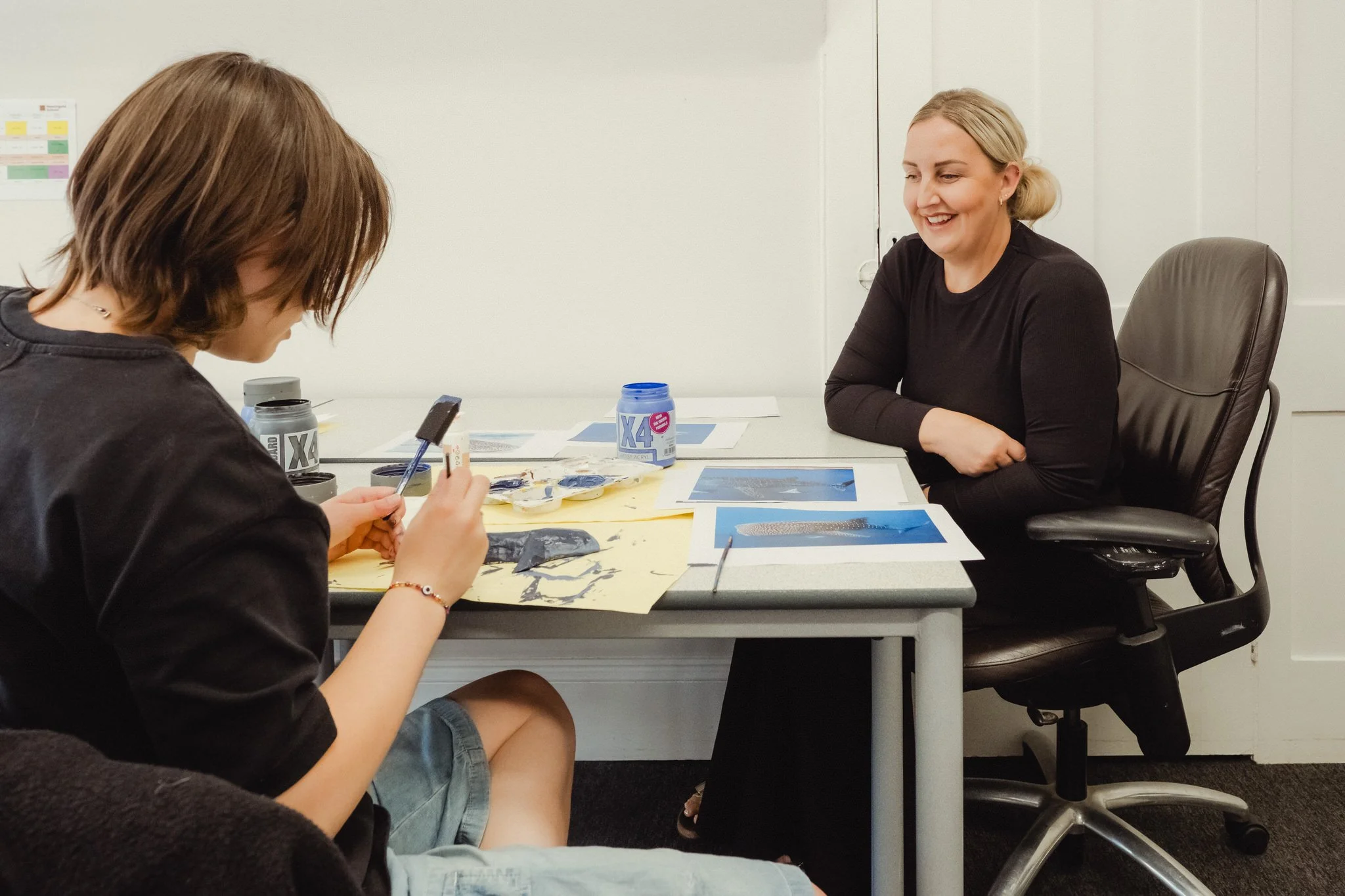
The welfare and wellbeing of our students is paramount. We are committed to ensuring that our whole school community is cared for, supported and nurtured by creating a welcoming atmosphere and a sense of belonging that enables our students to develop and thrive in order to achieve their very best.
Our experienced team place our students at the centre of their work and collaborate with families to ensure that any barriers to learning or attendance are addressed and overcome in a supportive and caring manner.
Therapy & Counselling at Newingate School
At Newingate School we have a Therapy Lead, Donna Curtis and a School Counsellor, Alice Hawkins. Therapeutic interventions are delivered by trained support staff and are overseen by the Therapy Lead.
Meet our Therapy Lead - Donna Curtis

Donna is the Therapy Lead at Newingate School, where she is responsible for developing and directing our therapeutic provision to ensure it meets the complex needs of our students and their families.
With a distinguished career spanning 24 years, Donna has dedicated her work to supporting children and families through various challenging circumstances.
Her broad experience includes:
Working within schools and specialist provisions.
Managing a children's centre.
Supporting and delivering parenting programmes while working in the educational psychology service in Medway.
Working across residential, fostering, and adoption services.
Donna's therapeutic practice is built on a strong foundation of advanced training, holding specialisations as a Systemic Practitioner, Functional Family Therapist, and Humanistic Counsellor.
This diverse skill set allows her to approach the development of the therapeutic provision with a comprehensive and adaptable perspective.
Meet our School Counsellor - Alice Hawkins
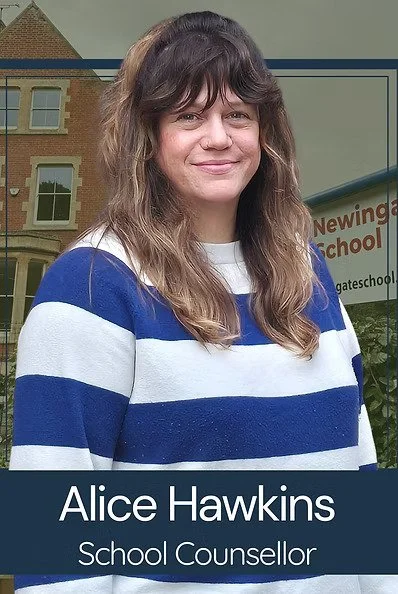
Alice is a highly experienced therapeutic professional with over 15 years of dedicated experience working within school settings.
Her background includes roles as a Learning Mentor and Family Liaison Officer, giving her a comprehensive understanding of the challenges young people and families face.
After completing her Level 4 Therapeutic Counselling qualification (2021) and Supervision training (2024), Alice served as a School Project Manager for Place2Be, where she successfully managed a team of counsellors and ran therapeutic group work.
Alice works with clients of all ages in her private practice and actively gives back to her community by running youth drama workshops at her local theatre.
Benefits of Counselling & Therapy:
School counselling has evolved over the years and can be beneficial in many ways. For example, it can:
Reduce the psychological distress that children and young people experience because of facing a range of challenges and difficulties
Offer a dedicated and safe space to talk about difficulties independently and without judgment
Help children and young people learn effective strategies and support them in becoming more resilient
Help develop positive self-esteem, confidence, social skills and good mental health
Improve engagement in learning
Reduce the stigma around mental health
Provide insight and guidance for school staff on supporting children and young people
Facilitate an important link between school, families and other specialist agencies.


Therapeutic Support:
We offer wrap around therapeutic support for our students, from the time the student’s walk into the school. This happens through the language we and the therapeutic interventions use PACE:
Playful
Acceptance
Curious
Empathic
The PACE model is a therapeutic approach that focuses on building secure and healthy relationships between students and staff.
By incorporating the above elements into their interactions with students, staff can create a safe and nurturing environment that supports emotional regulation, attachment, and overall development.
We work closely with external agencies to ensure clear communication and information sharing to meet the needs of our students. Not every student that comes to Newingate school will need one to one therapy.
If there is a concern regarding a student’s wellbeing a referral is made to the Therapy Department
A Systemic Approach
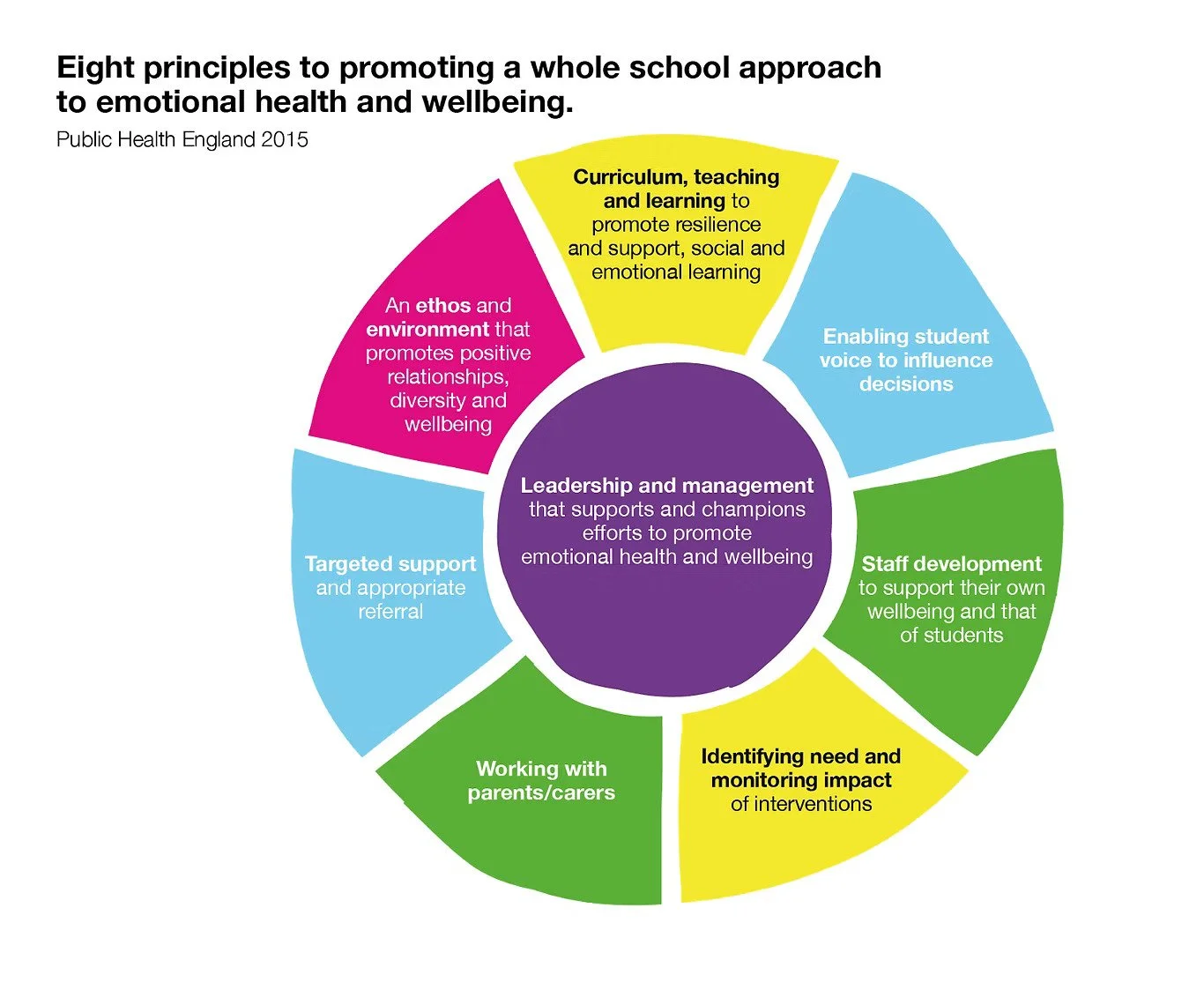
We have a Systemic Approach to supporting the students in our care.
Our student’s wellbeing is important to us and involves the whole school and community to ensure this is in place.
Our staff are trained in therapeutic interventions that include Lego Therapy and Drawing and Talking.
We are also working towards being a THRIVE school with staff training as a THRIVE Specialist Teaching Assistants.
Find out more about each intervention and approach by clicking on the tiles below:
-
Lego-based therapy (LeGoff et al 2014) is an evidence-based approach that aims to develop social communication skills in autistic children, such as sharing, turn-taking, following rules, using names and problem-solving.
In practice, children work in groups of three with each participant having a distinct role to build a Lego model collaboratively:
Engineers use the Lego instructions and ask the Supplier for the specific pieces of Lego needed.
Suppliers’ give’s the Builder the pieces.
Builders follow the building instructions from the Engineer to construct the model.
-
Drawing and Talking is a therapeutic intervention for children, young people and adults.
It is designed as a short-term, time limited, pro-active intervention intended to complement, rather than replace, the work of specialist mental health services.
Through a 12-week cycle of 30-minute one-to-one sessions, this non-intrusive tool allows children, young people and adults to process emotional pain resulting from trauma.
The child utilises drawing to help them express their feelings differently from ordinary verbal language.
-
Thrive offers a trauma-informed, whole school approach that helps to improve the mental health and wellbeing of our students.
School staff are trained in the approach so they can better understand the needs of students and provide targeted, effective support where it’s needed.
THRIVE supports students to access the curriculum, have better school attendance by raising self-esteem and building confidence.
How does a student access Therapeutic interventions and Therapy?

When a student comes to Newingate School, their EHCP is assessed by our staff to see what the recommendations are. Consultations are then held between staff and the Therapy Lead, to determine what can be offered. Staff also make referrals for therapeutic interventions when they feel there is a need. This can include anxiety and issues with relationships.
A member of staff will contact the student’s parent/carer to discuss the interventions further. Students can also meet with the Therapy Team if they would like support.
The therapy room is a space where students can come and have time to talk about any issues they may have. If it is felt that further support is needed this will be discussed with the student and their parents/carers.
Speech and Language Therapy at Newingate School
Meet Our Speech and Language Therapist - Georgina

Georgina is a dedicated and passionate Speech and Language Therapist with a First-Class Honours degree from the University of Greenwich. Since joining Newingate School in January 2024, she has been instrumental in establishing our in-house Speech and Language Therapy service.
Georgina’s approach is both flexible and person-centred. She is committed to creating an inclusive and supportive environment where every student feels empowered to communicate and thrive.
By adapting her methods to each child's unique needs, she ensures that every young person has a voice in their own care plan.
Beyond her work with students, Georgina also collaborates closely with our teaching staff. She provides strategies and resources to enhance communication support directly within the classroom, fostering an environment where every child can flourish.
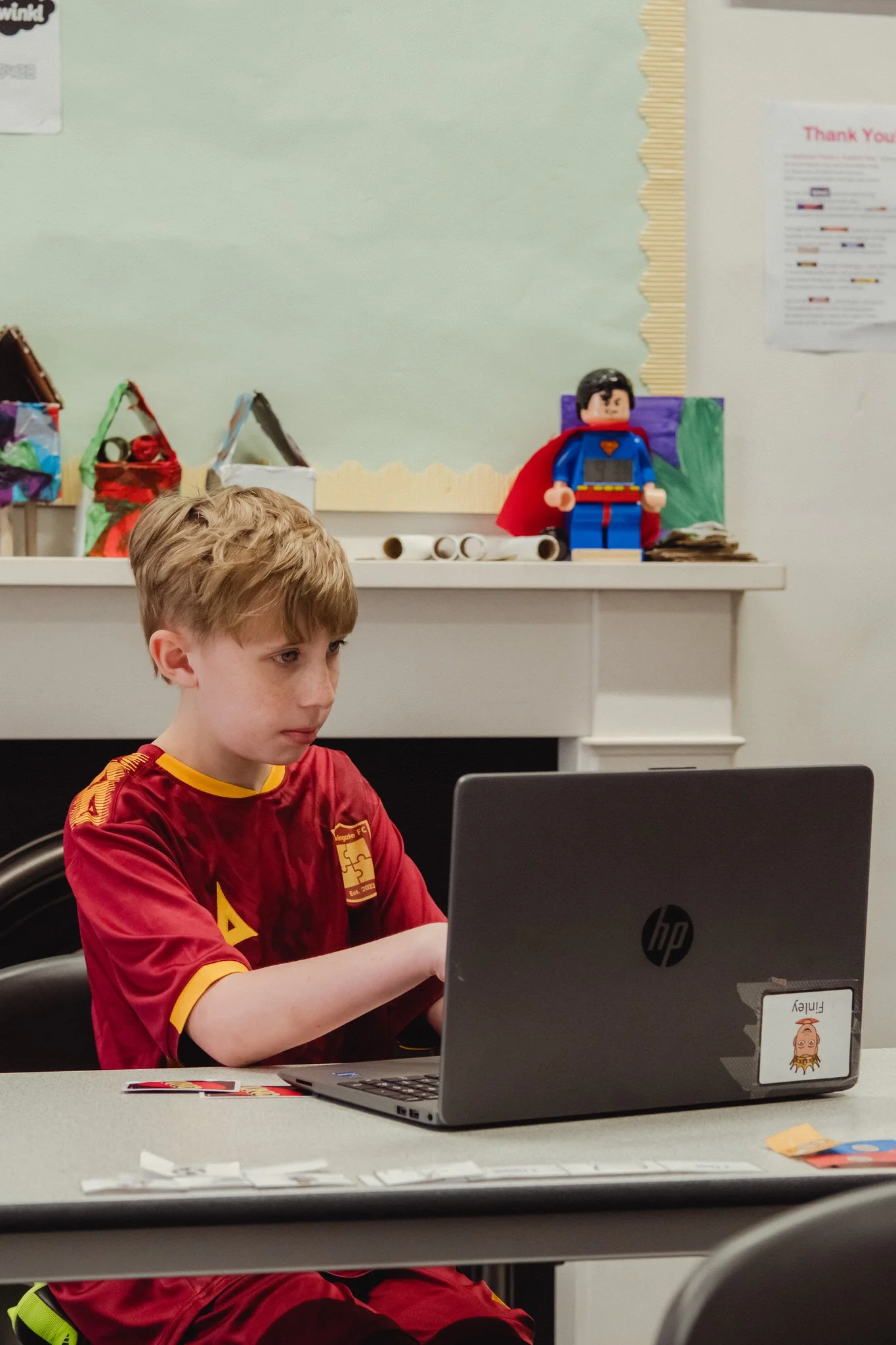
At Newingate School, we are dedicated to helping every student find their voice. Our in-house Speech and Language Therapist, Georgina, works to support all students, ensuring their communication needs are met in every learning environment.
How We Support Our Students:
Tailored Environments: Our therapist works with staff to design learning spaces that are adapted to the individual needs of each student.
Visual Communication: Staff are trained to use a range of visual aids—including symbols, photos, and objects—alongside spoken language to improve understanding and communication.
Meaningful Interaction: Our top priority is promoting meaningful communication in a safe, engaging environment. We create opportunities for students to build relationships and express themselves through shared experiences.
While one-on-one sessions are available when needed, our primary focus is on nurturing communication within natural, everyday social contexts. This approach ensures that every student can develop their skills in a way that is relevant to their life and unique strengths.
The Levels of Support
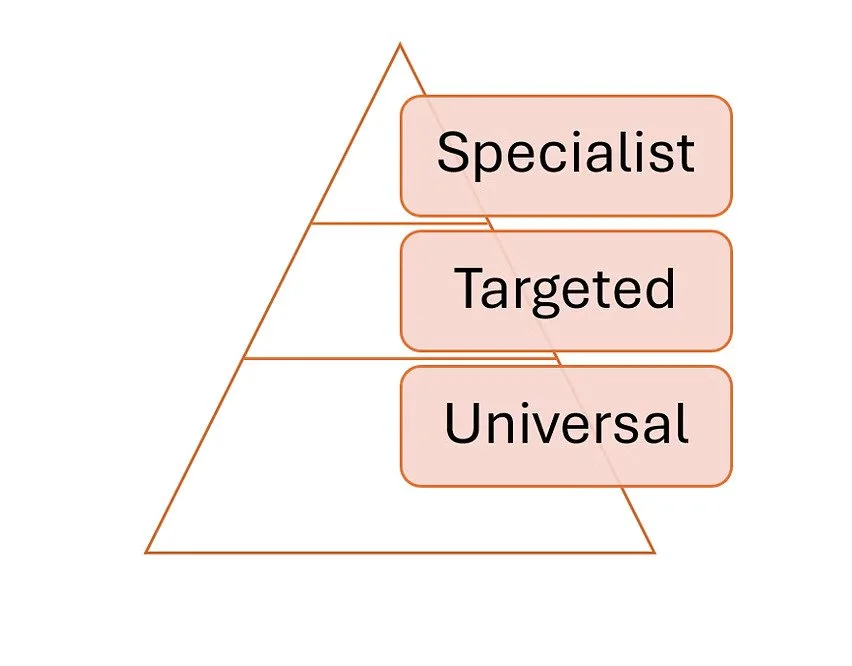
There are three levels of support offered by the Speech and Language Therapist:
-
Following a detailed assessment, some students will receive direct, one-on-one therapy. This therapy is delivered by a Speech and Language Therapist.
We believe in open communication about your child's progress. A summary of their development will be shared with families after each therapy block and will also be included in the Annual EHCP review documentation
-
Students in this tier receive personalised, targeted goals based on their EHCP and assessment outcomes. Our therapist sets these goals, which are then integrated into the student’s daily learning and worked on by trained classroom staff. The therapist provides ongoing support and guidance to ensure consistent progress.
To keep families informed, a communication summary will be written and shared with you each time your child's progress is reviewed. This summary is also included in their Annual EHCP review paperwork.
-
At this foundational level, advice, training, and support are available to the entire school community.
All students benefit from whole-class communication strategies and interventions that are embedded throughout the school day, ensuring a supportive and language-rich environment for everyone.
Flexible Approach to Support
The level of therapy or support for each student is flexible and designed to meet their unique communication needs as they evolve.
For instance, if a student receiving targeted support shows signs they would benefit from more intensive intervention, a specialist block can be arranged.
If you believe your child could benefit from an assessment or additional input from our Speech and Language Therapist, please speak with your Class Teacher.
Specialist intervention is not always required, as many students' needs are effectively met through our universal and targeted approaches, which are embedded throughout the school day.
For further information, and to answer some common questions, please read our FAQs